Essential Winter Safety Tips for Commercial Drivers and Fleet Managers
As colder months approach, commercial drivers and fleet operators face some of the toughest conditions of the year. Snow-covered highways, icy surfaces, freezing temperatures, and cold-weather equipment issues can quickly turn everyday routes into high-risk situations. In this guide, we’ll share essential winter driving tips, proactive maintenance strategies, and key safety practices designed to help you prepare for severe weather, protect your drivers, and keep your equipment operating reliably throughout the season.
Over the past two weeks, storms have brought more than 10 inches of snow to the southern U.S. Here are key recommendations to help protect drivers and trucks during these severe fall weather events.
Protecting the Driver
Cold weather precautions to prevent hypothermia and frostbite:
Hypothermia develops when the body’s temperature drops below normal. In its early stages, it may cause shivering, slurred speech, slowed thinking or lethargy, muscle stiffness, and clumsiness. As hypothermia becomes more severe, symptoms can progress to confusion, disorientation, stupor or coma, the absence of shivering, stiff or rigid muscles, shallow and very slow breathing, a weak pulse, and low blood pressure. If you observe any of these symptoms—especially in older adults—seek medical attention immediately.
To prevent hypothermia, take the following precautions:
- Wear several layers of warm, loose-fitting clothing. Items that wick moisture away from the skin are best.
- Use gloves and knit caps to retain body heat.
- Change clothing if it becomes wet.
- Carry an emergency kit containing a change of clothes, a blanket, hand warmers, and snacks in case of being stranded.
- Eat hot, nutritious meals and drink water. This is important during winter as well.
- Avoid alcoholic beverages.
- Make sure drivers have a way to communicate in the event of a breakdown in rural operating areas.
Certain prescription medications can make you more sensitive to cold. If you take any medications, consult your doctor or pharmacist to find out if this applies to you.
Frostbite is another serious risk, especially when the wind chill is very low. Warning signs include swelling, changes in skin color (turning reddish, bluish, or whitish), numbness, and stiffness. If not treated promptly, frostbite can result in the loss of fingers, toes, or other affected areas. To reduce the risk, always protect your skin from direct exposure to cold air and extreme temperatures.
Protecting the Truck
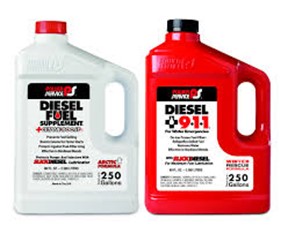
- When temperatures fall below 32°F, add a diesel supplement to ultra-low sulfur diesel fuel to help prevent fuel gelling and ensure reliable engine performance.
- Plug in the engine block heater whenever temperatures dip below 32°F. For trucks that are not actively in use, start and run them daily until they reach normal operating temperature to help prevent cold-related issues.
- For startup in cold weather, begin with a thorough pre-trip inspection. Unplug the block heater, turn the ignition to the "on" position, and wait for the dash lights to finish cycling. Then start the engine and let it run until it reaches normal operating temperature.
- If your truck has air brakes, make sure to purge the air tanks every day to remove moisture and prevent freezing. For units with an air dryer, increasing the PSI to 120 will trigger the system to purge automatically.
- After driving in snow, ice, slush, or rain, gently apply the brakes just before parking. This helps dry the brake shoes, drums, rotors, and pads, reducing the risk of them freezing.
- Ensure windshield washer fluid is full and all windows are clean.
- Clear ice and snow from all steps and grab handles before use to reduce the risk of slips and falls.
- If heavy snow is expected, do not park your truck or trailer at outside docks or under building overhangs. Snow drifting from rooftops can build up on top of vehicles, increasing the risk of excessive accumulation and possible roof collapse.
Preventing Driver Injuries in Fall and Winter
Slip, trip, and fall injuries are the most common type of injuries for drivers, especially in the winter months. Every year, thousands of professional drivers are seriously injured due to inattention in icy or snowy conditions. Staying alert is essential.
- Our top priority is your safety—make sure you return home to your family and friends just as you arrived at work: safe and healthy.
- Wear full-support leather footwear with rugged, non-slip soles. Use non-slip covers (Yaktrax, etc.) as needed.
- Slow down and never rush.
- Watch where you walk; snow can cover ice in parking areas.
- Take small, careful steps and check your footing.
- Inspect handrails and grab handles for ice before using them.
- Use gloves for a better grip.
- Maintain three points of contact when entering or exiting your tractor or trailer, or using the catwalk behind the cab.
- Always wear your seat belt.
- Slow down!
Important Steps for Handling Diesel Exhaust Fluid in Cold Weather
Cold weather presents unique challenges for diesel exhaust fluid (DEF)- equipped vehicles. DEF, composed of high-purity urea and purified water, freezes at 11°F (-11°C). To maintain its quality, it should be stored and dispensed properly, in accordance with the recommendations of the American Petroleum Institute.
Like water, DEF expands by up to 7% when it freezes, which can damage storage tanks that are completely or nearly full. To prevent this, avoid filling DEF tanks to capacity during cold weather.
Got Chains?
If you operate in states that require chains to be carried, ensure they are the correct size, properly secured, clean, and undamaged so they can be applied easily when needed.
To check your state’s chain laws, visit:
http://www.tirechainsrequired.com/laws.html
FMCSA Random Drug and Alcohol Testing Rates Remain Unchanged for 2026
The Federal Motor Carrier Safety Administration has confirmed that minimum random drug and alcohol testing rates will remain unchanged in 2026. Motor carriers must continue testing:
- 50% of CDL drivers for drugs
- 10% for alcohol
These rates were last updated in 2020.
*The Idealease Safety Bulletin is provided for Idealease locations and their customers and is not to be construed as a complete or exhaustive source of compliance or safety information. The Idealease Safety Bulletin is advisory in nature and does not warrant, guarantee, or otherwise certify compliance with laws, regulations, requirements, or guidelines of any local, state, or Federal agency and/or governing body, or industry standards
Read More Posts